HomeAbout

We see potential in every person. That’s why we built Potentially.

Potentially helps universities make learning visible, skills verifiable, and student potential recognisable.

Founded in London · Built for higher education

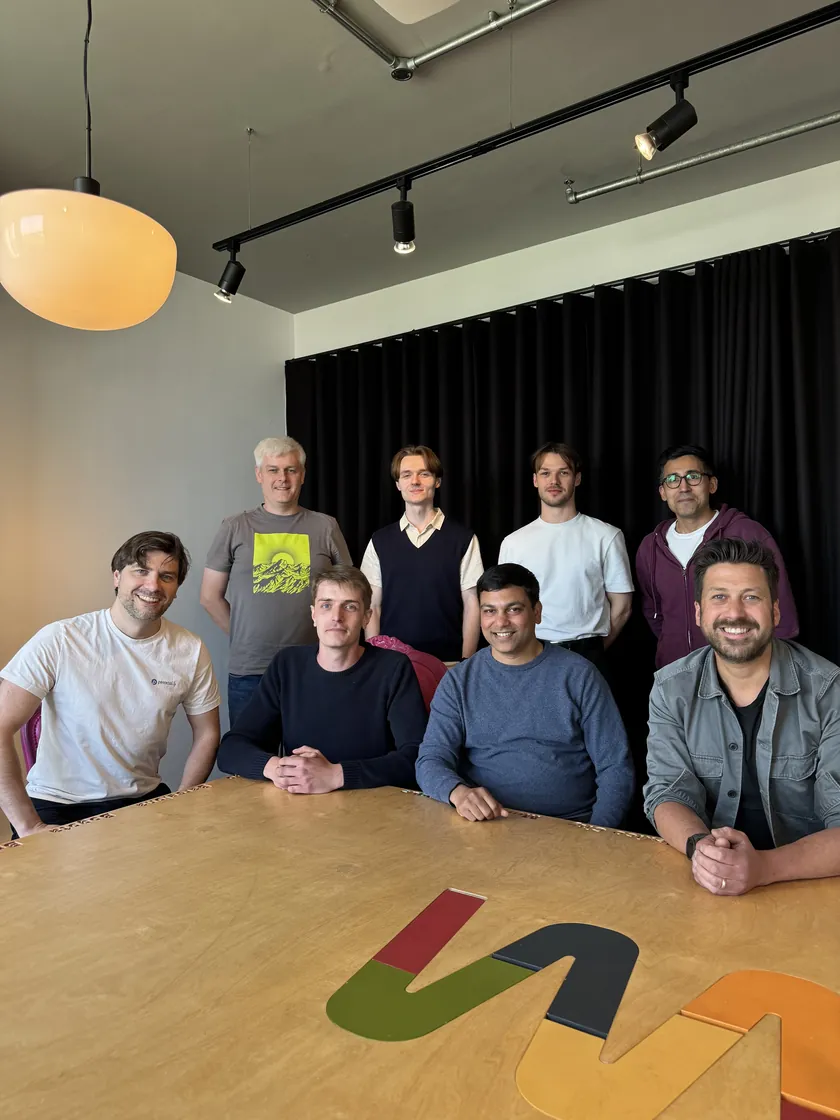
The Potentially team around the table in the London office
Origins

How we started.

Potentially is built on a conviction we’ve held for over a decade: that higher education has the tools to deliver content, but not the infrastructure to make capability visible. As AI reshapes the nature of work and the skills that define employability, that gap is no longer one universities can afford to leave unaddressed.

The founding team spent years on the problem before Potentially existed in its current form — building the Potentially Indicator and Team-Match to help students understand their own capabilities and work better in teams, and working with Jisc, the UK’s national body for digital technology in education, on their digital discovery tool.

In 2020 we launched ClassOf2020.org.uk, a free online academy for graduates leaving university into a frozen job market, built so they could document their skills and show an employer what they could do. Potentially is the product of everything we learned there.

We now work with universities including Loughborough, Coventry, Westminster, Munster Technological University and the University of Zurich.
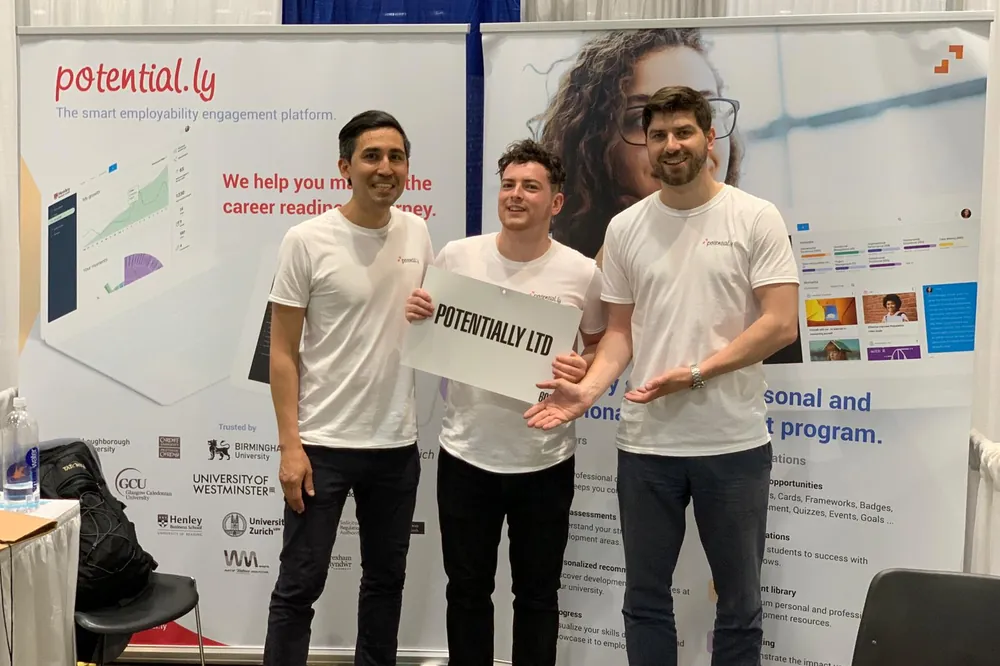
Three of the team at an early Potentially conference stand
Our first stand. 01 / 05

Potentially is our answer: a platform that makes human capability visible, verifiable and portable — built for the age of AI, and for the students navigating it.

What we believe.

Four principles behind every design decision we make.

01

Students need to benefit.

Every feature starts with the question of what the student gets back from it. A platform that extracts data for the institution and returns little to the student will always see low adoption. Potentially is useful to students first, which is why it gets used.

02

Education technology should be as good as everything else people use.

The apps people use in the rest of their lives are fast, clear and well made, and the software they are given at university usually is not. We hold Potentially to the consumer standard for students, faculty and administrators alike, because adoption is the prerequisite for everything else.

03

The record belongs to the student.

Students connect a personal email and keep access to their record after graduation. The evidence built over three or four years of study stays with them when the institutional account is deactivated. We are custodians of it while they are enrolled; they own it after.

04

AI for the tedium, not as a thinking medium.

Potentially uses AI for tedious tasks, never for the ones that require thinking. For administrators that means bulk automation and narrative analytics. For learners it means help logging evidence and articulating skills — always adding to human cognition, never standing in for it.

These aren’t opinions. They’re drawn from decades of learning science. Read the evidence behind the platform ↗

The team.

We came to this from different places, but the same conviction: that education is the most powerful force for human opportunity we have, and that it deserves better tools.

Norbert Morawetz

Professor & CEO

Norbert Morawetz

An award-winning academic and entrepreneur. Norbert brings the teaching and learning research that grounds Potentially’s product thinking in pedagogical principle rather than product fashion.

Trevor Bezzina

Co-founder & COO

Trevor Bezzina

A background in graduate recruitment. Trevor built the employer-side understanding of what makes a graduate record credible, and why the distance between what employers want and what students can demonstrate is a commercial problem as much as an educational one.

Abdul Waheed

Co-founder & CTO

Abdul Waheed

Abdul’s background is in academic publishing, and specifically in how technology makes knowledge more accessible and more credible. He brings the same question to Potentially: how do you build infrastructure that widens opportunity rather than only recording it?

Why Potentially

We named the company Potential.ly because it’s our mission in a URL.

Potential isn’t a vague aspiration. It’s something real that can be recognised, developed and demonstrated. And it doesn’t belong only to individuals: when students thrive, the effect reaches further than any single graduate record.

A question about the platform, about the research behind it, or about what it would look like at your institution — all of it reaches the people who build it.

Tell us what you’re working on.