Home›Insight Compass›[pi] Personality Indicator
A personality test built on strengths.
[pi] is Potentially’s personality and strengths assessment. One questionnaire of about twenty minutes maps a person’s core strengths, comfort zone and stretch traits, and gives four reports: a strengths map, a personality spectrum based on the Big Five, team roles and a Jungian type.
30,000+ people have taken [pi]. Formerly the Potential.ly Indicator.
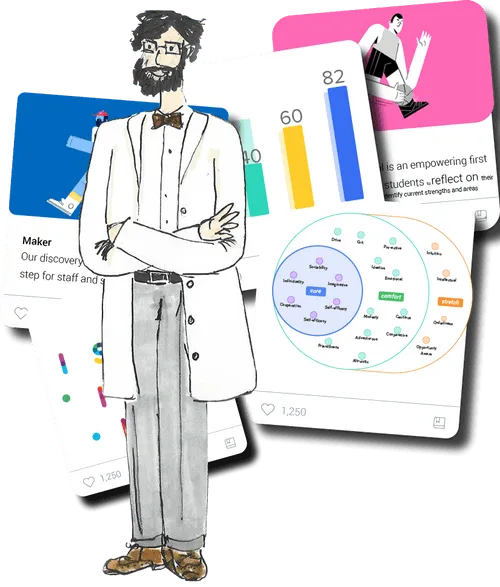


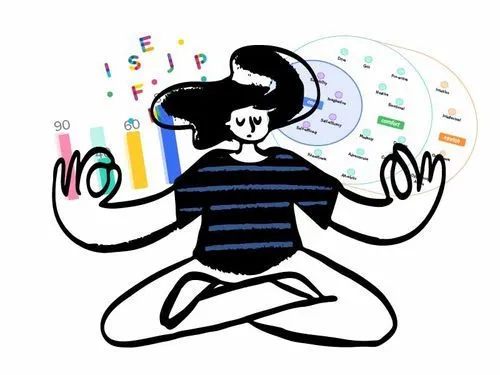
The lenses behind MBTI, Belbin and the Big Five: four reports, one questionnaire.
A strengths profile, a Big Five profile, a team-roles report and a type profile usually mean three or four separate tools, each with its own licence, login and report. [pi] gives all four from one validated questionnaire of about twenty minutes, built for development rather than selection.
MBTI and Myers-Briggs, Belbin, and CliftonStrengths and StrengthsFinder are trademarks of their respective owners. Potentially is not affiliated with or endorsed by them. [pi] is an independent instrument and does not reproduce their questionnaires.
A strengths map, not just a type.
A type says which group someone resembles. [pi] also maps 23 of their traits into three zones, so the result shows what to build on, what is in their control, and where development will take effort.
- CoreThe most natural traits. Acting this way gives energy and feels like being yourself; acting against it is tiring over time.
- ComfortTraits firmly in your control: yours to call on when needed, or to set aside and act the opposite way.
- StretchTraits that feel less natural. You can use them for goals that matter, but sustained for long, they drain.
Six areas, built on the Five Factor Model.
[pi] builds on the Five Factor Model, better known as the Big Five. It measures four of its factors, replaces the fifth with a factor made for development, and adds a sixth.
Extraversion
Whether people draw energy from others and activity, or from time in their own head. Most people sit towards the middle, and it is not the same as confidence.
Conscientiousness
How someone plans and regulates impulses: organised and persistent, or spontaneous and flexible about duties.
Collaboration
Adapted from agreeableness. How cooperative and considerate someone tends to be, and how ready to compromise for the group.
Open-mindedness
How open someone is to new ideas, experiences and emotions, or how far they prefer facts and the familiar.
Actualisation
Replaces neuroticism. The readiness to make the most of a situation: perspective, mindset, action and stamina. Draws on locus of control and self-efficacy.
Judgement
New in [pi]. How balanced decisions are across facts, patterns and feelings, rather than leaning on one.
Where [pi] does its work.
Institutions use [pi] wherever self-knowledge is the first step: before a conversation, a programme or a piece of group work.
Induction and welcome
New students get words for their strengths in their first weeks, before the first assessment or the first careers appointment.
Personal tutoring
The report gives tutor and student something concrete to talk about, and the personal vision statement worksheet turns it into goals.
Careers appointments
Advisers start from what a student already knows about themselves. Core traits become evidence for applications and interviews.
Group projects
Team-role preferences give a group shared language for who does what, before the work starts rather than after it stalls.
Employability and leadership
Stretch traits give each participant a development target to work on across the programme.
Staff and member development
The same questionnaire works for employees, mentees, professionals and applicants, in a portal under your organisation’s name.
Reports that say what to do next.
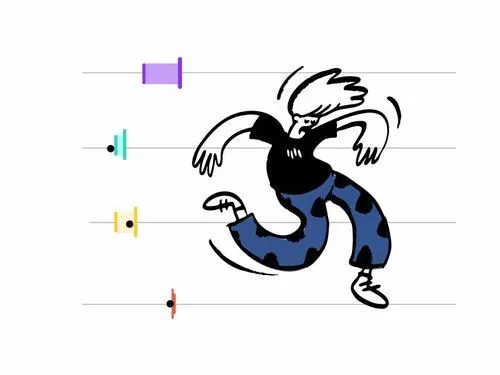
Traits become goals
Any trait in a report can be added as a development goal, with learning resources to work through at their own pace.
Distance travelled
[pi] can be retaken every six months. Each result is dated and set against the first, so people see how they have changed.
A report to keep
Every report downloads as a PDF, to bring to a one-to-one or to keep for later.
[pi] for your students, staff or members.
Universities, professional bodies and employers use [pi] to help people put their strengths into words and see where they want to develop.

- For everyone you supportStudents, employees, mentees, professionals and job applicants.
- A branded portal[pi] runs under your organisation’s name and look.
- Material for sessionsWorksheets and exercises for one-to-one advice sessions and group work, such as building a personal vision statement from a [pi] report.
Questions educators ask.

Who developed [pi]?
Professor Norbert Morawetz at Henley Business School, who developed and validated it through a series of studies. More than 30,000 people have taken [pi] since. One questionnaire produces all four reports.
What is [pi] built on?
The Five Factor Model, the most widely used model of personality in psychology research. It traces back to Francis Galton’s work on the language of personality in 1884, through Allport and Odbert and Raymond Cattell, to the five-factor inventories of Costa and McCrae. [pi] measures four of the five factors, replaces neuroticism with Actualisation, drawing on Rotter’s locus of control and Bandura’s self-efficacy, and adds Judgement.
How is [pi] different from MBTI, Belbin or CliftonStrengths?
Each of those tools gives one lens and is bought, taken and reported separately. [pi] gives four from one questionnaire: a strengths map, a personality spectrum, team-role preferences and a Jungian type with 16 personality types. It is an independent instrument, built on the Five Factor Model and designed for development rather than selection.
Is [pi] a psychometric test?
Yes. [pi] is a validated self-report psychometric questionnaire built on the Five Factor Model. It is designed for self-knowledge and development, and is not intended for screening candidates or ranking people.
Won’t people just give the answers they think are wanted?
That is mainly a problem in recruitment, where candidates have a reason to look good. [pi] is for development: the results go to the person who took it, so the incentive is to answer honestly. The questionnaire also varies its question styles to avoid the fatigue of ticking boxes.
What if a result doesn’t sound right?
Some imprecision is expected, and is part of the exercise. A result that jars may show something not yet acknowledged, or answers given inconsistently. People can rate how accurately each result describes them, and results tend to sharpen with each retake as self-knowledge grows.
How often can [pi] be retaken?
Every six months, and not sooner. Each new result is compared with the first, to show the distance travelled.
How long does [pi] take?
About twenty minutes. It works best in a quiet space, without interruptions.
Do people need training to take or run [pi]?
No. [pi] is self-paced. Step-by-step guides explain the key concepts, and the visual charts support interpretation and development.